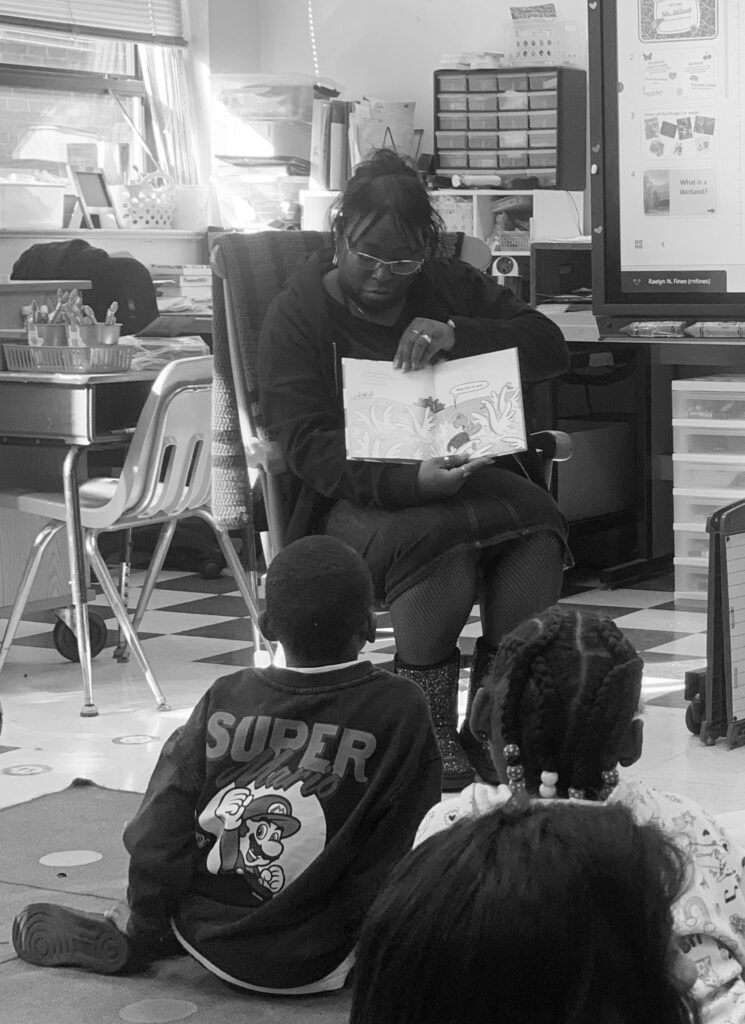
Art education changes people. I’ve seen it happen in living rooms, community centers, public school classrooms, and backyard workshops — and I believe it happens best when the environment feels safe, the instruction feels personal, and the focus stays on the student in front of you.
That’s the philosophy I bring to every teaching space I enter.
I tailor every lesson to the individual or group, blending foundational skills with open-ended exploration. I don’t teach art as a series of correct answers. I teach it as a practice — one built on experimentation, problem-solving, and the confidence that comes from making something with your hands. My instruction spans a wide range of materials and disciplines, and I regularly draw on nature, storytelling, and everyday objects to make concepts stick and spark curiosity.
I’ve taught across diverse settings, from private lessons and homeschool pods to intergenerational community workshops and public high school classrooms. That range has made me a more adaptable, more perceptive educator. I know how to read a room, adjust on the fly, and meet students where they are — whether they’re six or sixty, brand new to art or building toward a portfolio.
I also bring the perspective of a practicing artist. I exhibit work in juried shows, create illustrated decks and fine art, and stay actively engaged in the creative work I ask my students to do. That practice keeps my teaching honest.
Art is a tool for healing, self-discovery, community, and celebration. I don’t take lightly the opportunity to be someone’s introduction to it — or their next chapter in it.